Space Science • Amateur Radio • Citizen Science
Amateur Radio Takes a Bigger Role in Space Weather Research
University of Scranton to lead NASA-funded education and citizen science initiative
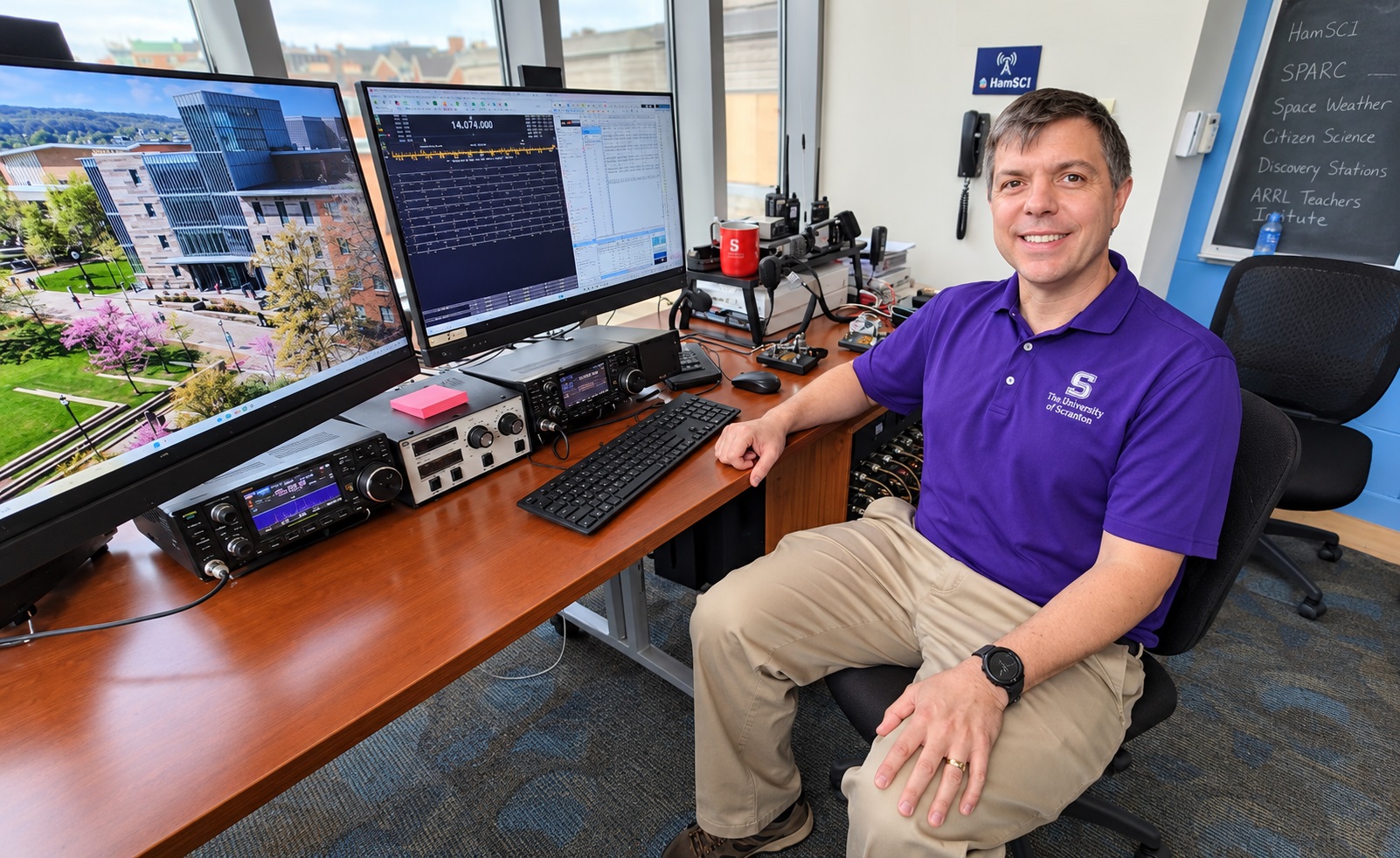
Amateur radio has always been influenced by conditions far beyond our antennas' reach. Solar activity, the ionosphere and changing space weather all play important roles in determining how radio signals travel, particularly on the HF bands. A major NASA-funded initiative led by the University of Scranton will bring amateur radio operators, educators, students and scientists together to learn more about these phenomena.
The University of Scranton has received a $5,495,781 grant through NASA’s Science Activation (SciAct) program to lead a five-year initiative titled “Discovering the SPARC: Space Physics Through Amateur Radio Connections.” The project is designed to bring scientific discovery out of research laboratories and into schools, libraries, museums and communities across the country. The agreement runs through 2031.
Leading the project is Dr. Nathaniel Frissell, W2NAF, associate professor of physics and engineering at the University of Scranton and founder of HamSCI (Ham Radio Science Citizen Investigation). HamSCI connects professional researchers with amateur radio operators, using radio observations to help scientists better understand the ionosphere and space weather.
Bringing Space Science Into the Community
One of the central features of the SPARC project will be the development of public “Discovery Stations.” Located in places such as schools, libraries and museums, these installations will allow visitors to view real-time space weather information and learn how solar activity affects radio communications.
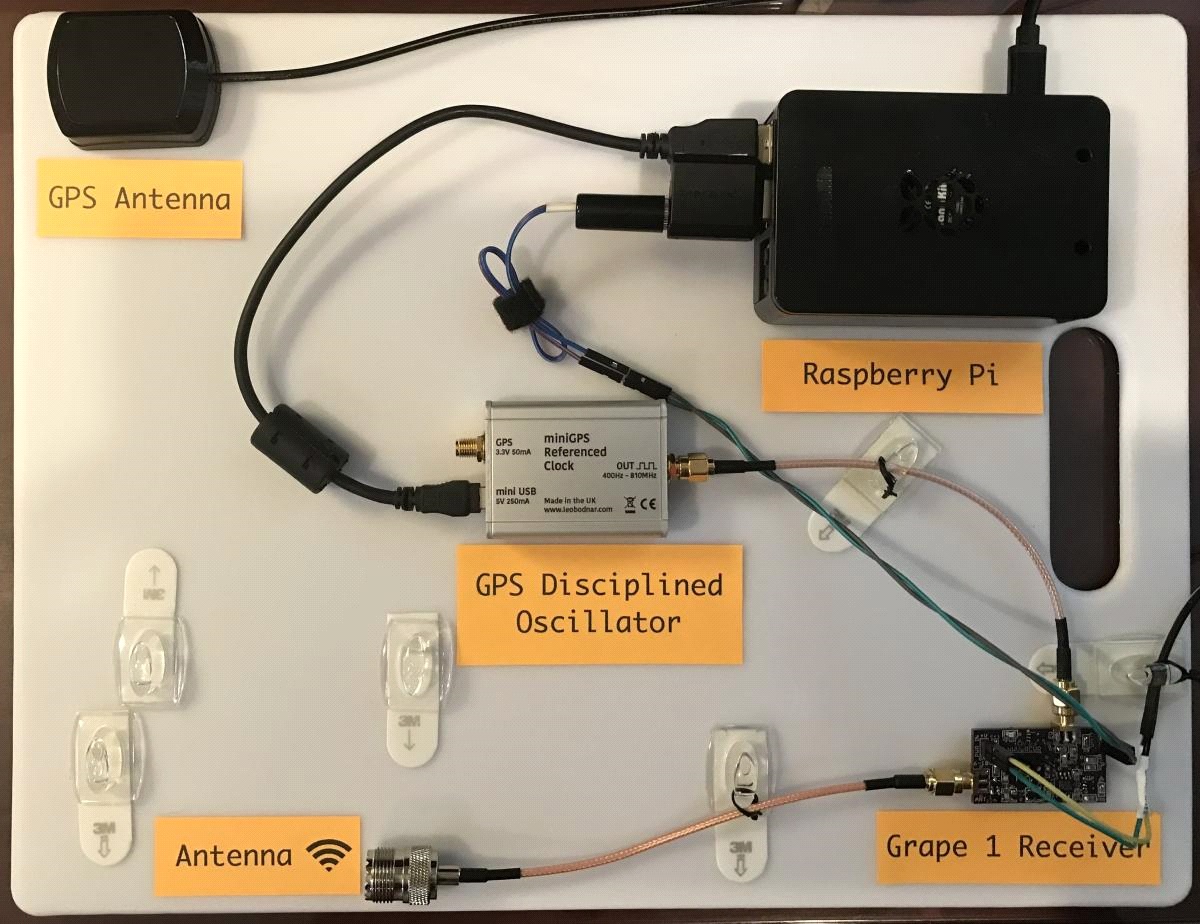
The grant will also fund the deployment of approximately
85 Citizen Science Space Weather Monitor stations throughout the United States. These stations will collect information about radio signals and ionospheric conditions.
Their observations will contribute to a national research network while also serving as educational tools for the public.
For amateur radio operators, this is particularly interesting because the ionosphere makes much of our long-distance HF communication possible. Changes in solar activity can affect signal strength, propagation paths and the ability to communicate over long distances. Data collected through these monitoring stations will help researchers better understand the conditions that influence radio propagation.
The ARRL’s Role in the Project
The American Radio Relay League (ARRL) is one of several collaborating organizations. As part of the initiative, ARRL will receive grant funding to develop and deliver a Teachers Institute program focused on space weather.
The four-day professional development program will provide high school STEM educators with hands-on instruction covering solar activity, Earth’s magnetosphere, the ionosphere and the effects of space weather on radio communications.
Teachers will work with real-world data from NASA missions and the network of citizen science monitoring stations. Participating schools will also have opportunities to help expand the monitoring network, allowing students to contribute observations to ongoing scientific research.
Other participating institutions include the Space Science Institute, MIT Haystack Observatory, the University of Alabama and the New Jersey Institute of Technology. Kera Collective will serve as the project’s external evaluator.
An Opportunity for Amateur Radio
Perhaps one of the most important aspects of this initiative is its recognition of amateur radio operators as contributors to scientific research, not simply users of radio technology.
Through HamSCI, amateur radio operators have demonstrated that the signals they transmit and receive can provide valuable information to scientists studying the Earth’s upper atmosphere. This project will expand those efforts by connecting more schools, educators, communities and radio amateurs to NASA science.
The long-term goal is to establish a self-sustaining network of educators, amateur radio operators, citizen scientists and community organizations that will continue participating in space science activities well beyond the five-year grant period.
For those of us who regularly operate HF, monitor propagation conditions or participate in radio contests, this project offers another perspective on something we experience every day. It is a reminder that amateur radio offers more than the opportunity to communicate with stations around the world. It can also help us understand the science behind those communications.