Experiments in Alternative Energy Cooking
WEB LINKS - APPROPRIATE TECHNOLOGY ROCKET STOVES SOLAR COOKING WEB SEARCH
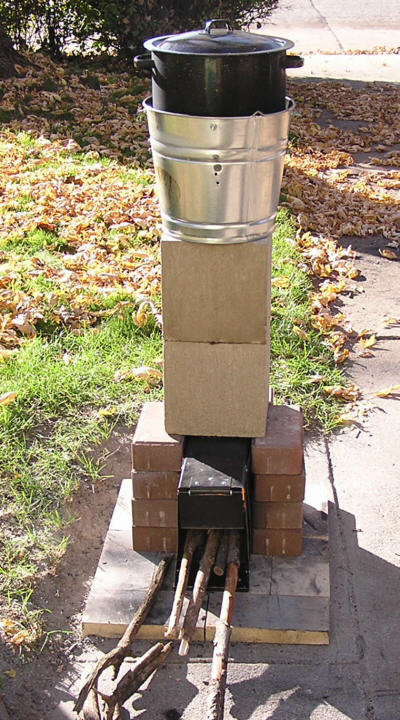
The following pages show the results of various experiments that I have conducted to learn about solar cooking and other low-cost cooking options. Wood fuel used in many parts of the world is becoming scarce and burning wood in open fires can constitute a health hazard. The idea was to make my experimental devices as simple but as effective as possible, using low-cost, widely available parts. Because the sun is not always available, I believe any cooking solution has to be looked at as a system. It also needs to include at least one reliable, always-available, non-solar cooking device. Ideally, other technologies, like a passive, insulated "hay box" design would be integrated into a complete system. Any cooking system also has to fit into the culture where it will be used or it won't be accepted. If a system takes too much time, is too complicated, or is not highly reliable, it will also be rejected.
DISCLAIMER / LEGAL NOTICE
The information contained in these articles concerns experiments by
the author with solar and other cooking methods and should be used for research
purposes only. It should not be considered a guide to building cooking devices.
All solar cookers are potentially hazardous, especially if you don’t follow the
proper safety procedures. There is a danger of eye damage from reflected or
concentrated sunlight. There also is always a danger of being burned, if not by
the oven, then by the vessel, the food inside it, or steam that may be released,
just as in any oven. If an oven is hot enough to cook food, then it is hot
enough to burn you. Any wood-burning stove must be used with adequate
ventilation. The absence of visible smoke does not mean that there are no
dangerous fumes coming from the stove.
The author takes no responsibility for your use of this information.
While the author believes that information in this article is accurate, The
author makes no representation about the content or suitability of this
information for any purpose. The information is provided "as is" without express
or implied warranty. Use the information on this site at your own risk. In no
event shall the author be liable for any damages resulting from the use of
information in this article.
If you are not willing to be responsible for the safe use of a solar cooker,
or other oven, then don't build or use one.
The rocket stove heating tests were conducted with sticks found in a wooded area to simulate the "real-world" conditions where wood might be found. The sticks are from various types of trees and have a higher moisture content than kiln-dried lumber. The figures for heating times should be looked at as approximate.
1 - Testing an "insulated box" oven design
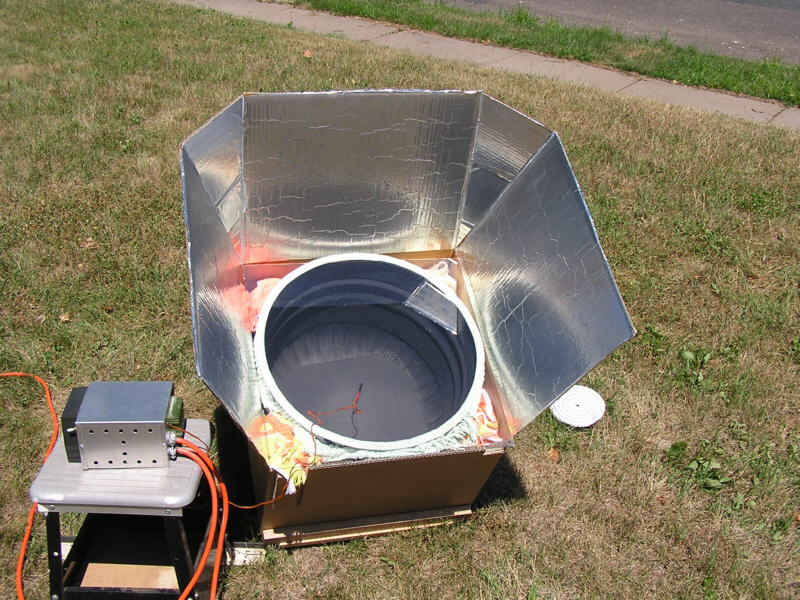
2 - Trying to improve the "insulated box" oven

3 - A simple "parabolic reflector" design
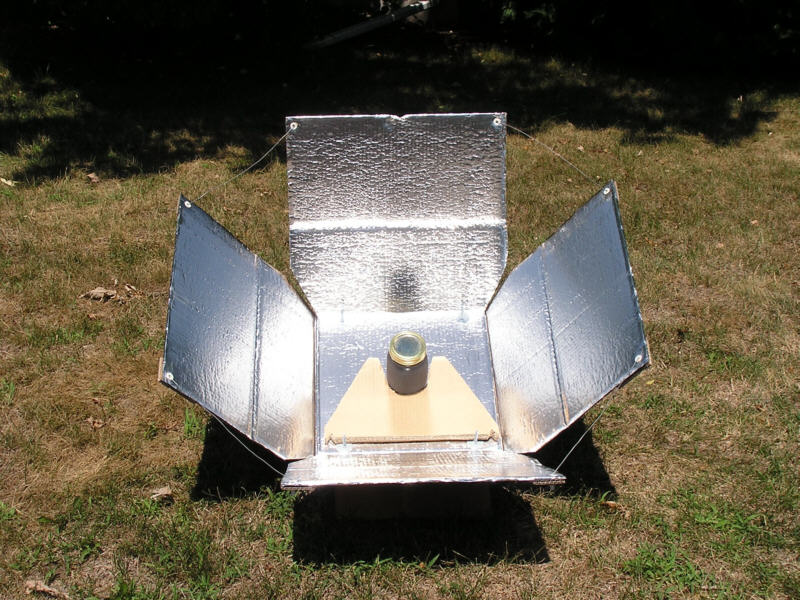
4 - A fold-up, stretched solar cooker design
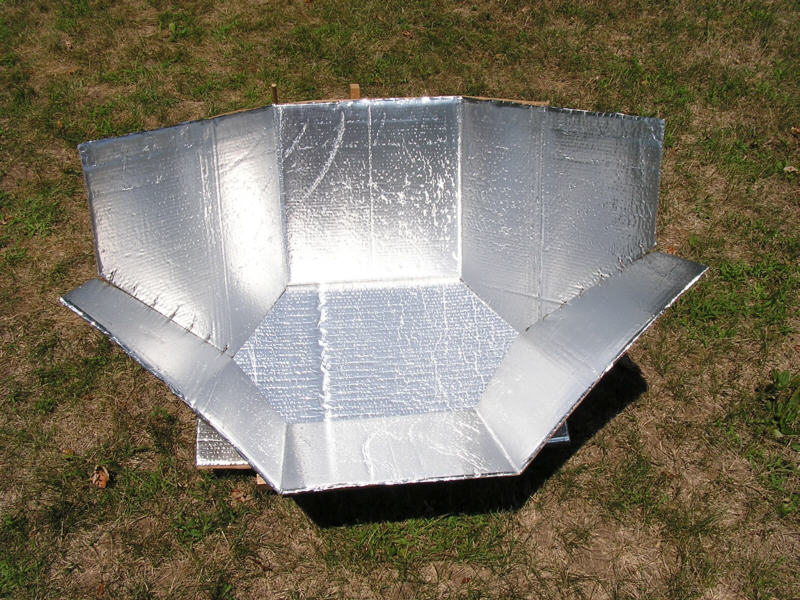
5 - A comparison test of my parabolic and fold-up
designs

6 - A NO-COST Solar cooker (Concept)
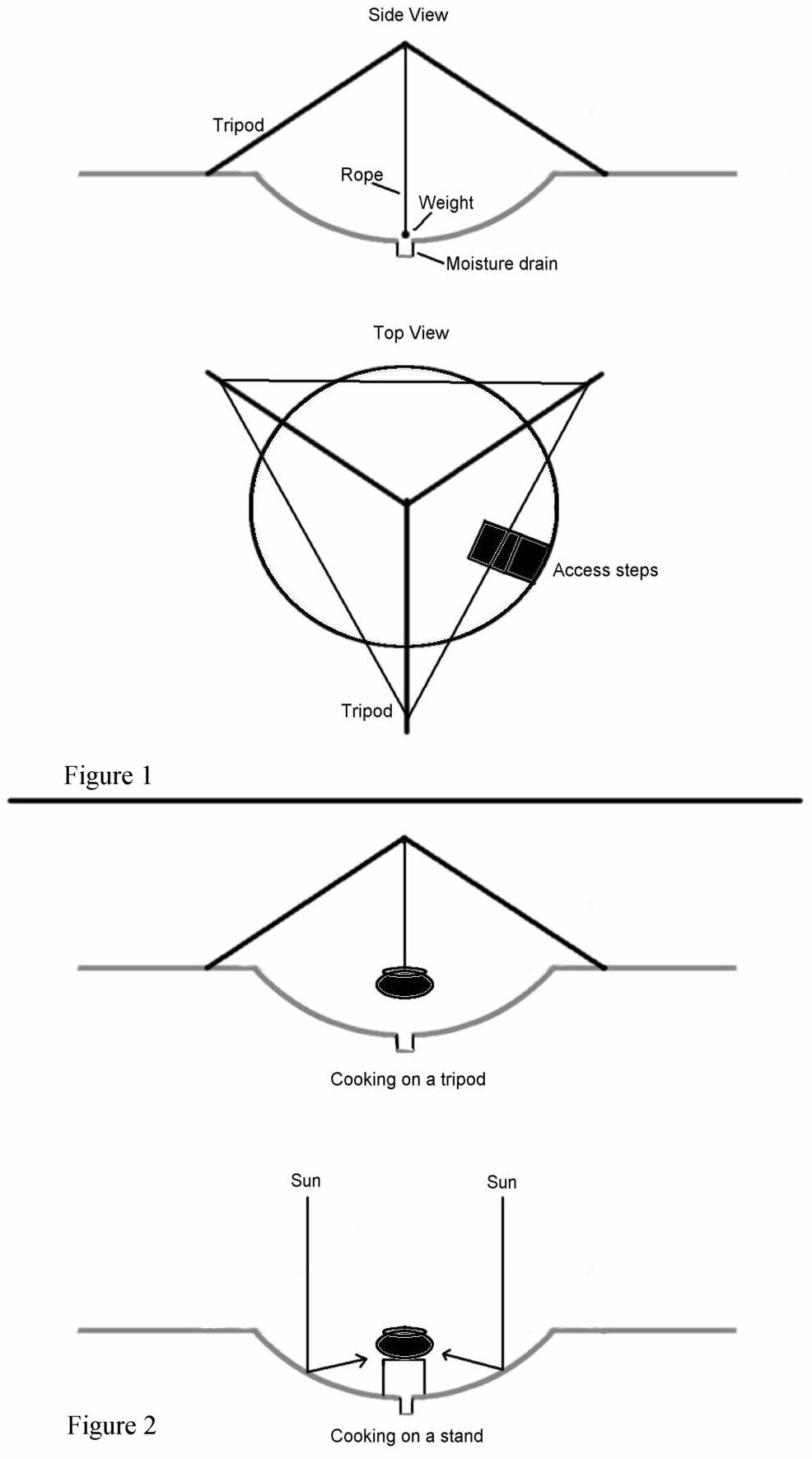
7 - A high-performance version of my simple
parabolic oven (2008)

8 - New Technology - The Rocket Stove
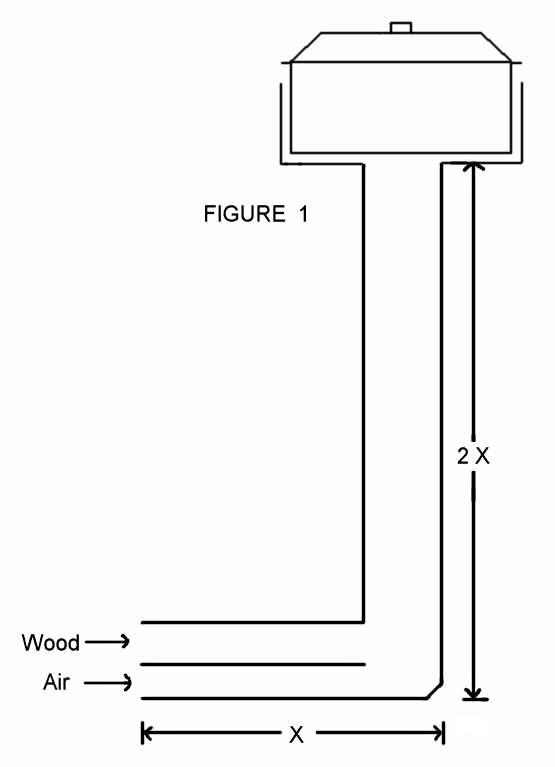
10 - An "institutional-sized" Rocket Stove
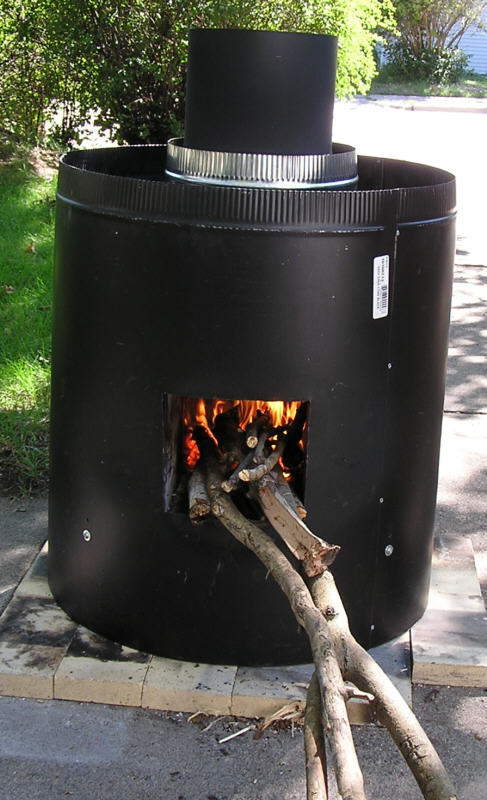
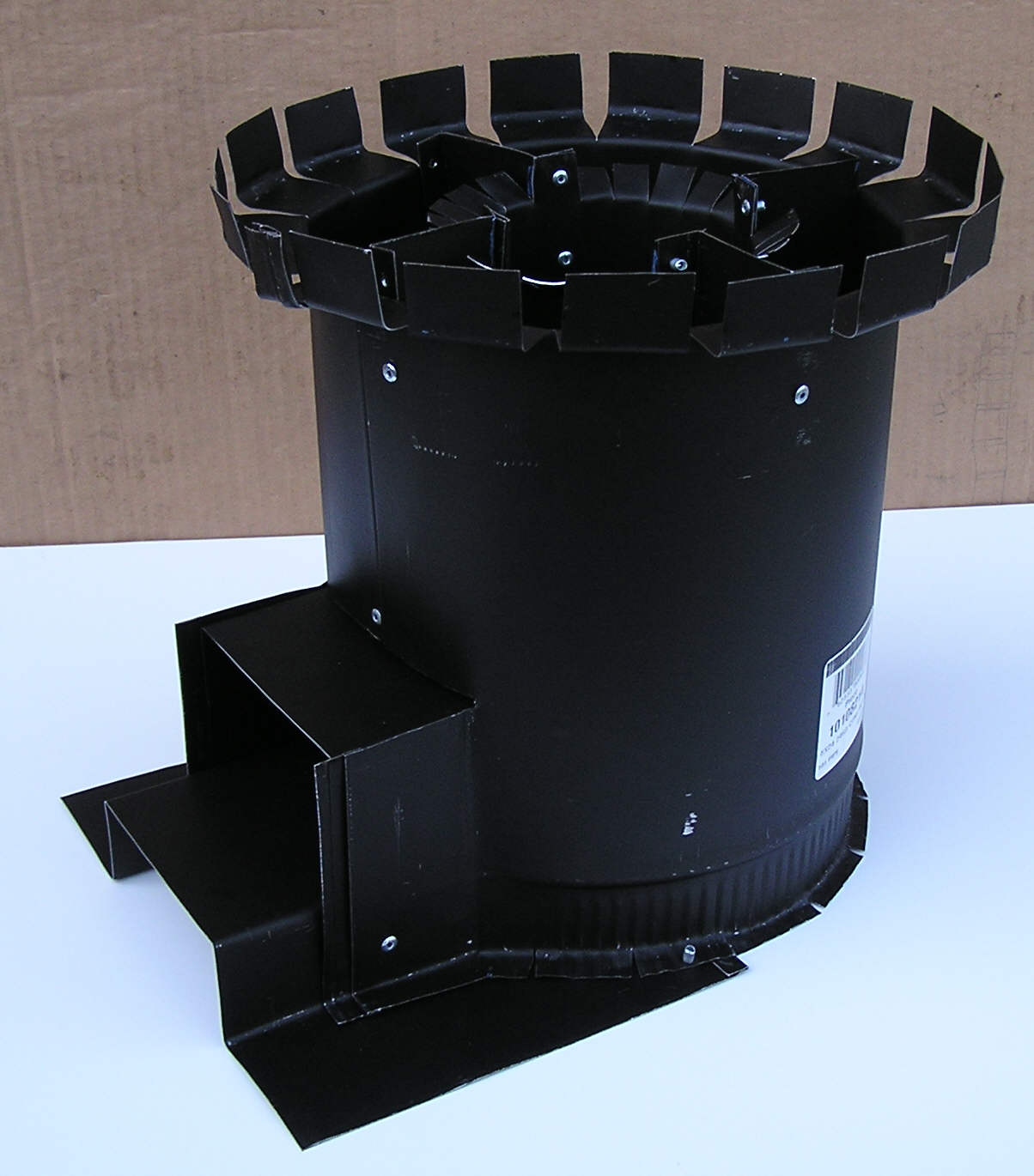
11 - A personal-sized "castle" rocket stove made
entirely from one 8" vent pipe
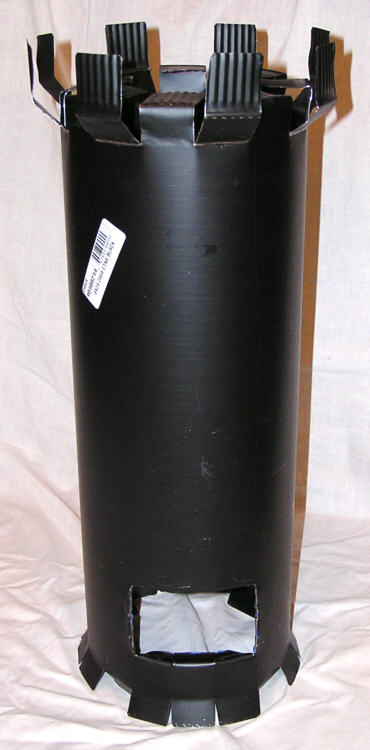
12 - A small, low-cost rocket stove made in 5 min.
from bricks

13 - The institutional-sized Rocket Stove test in
central Tanzania
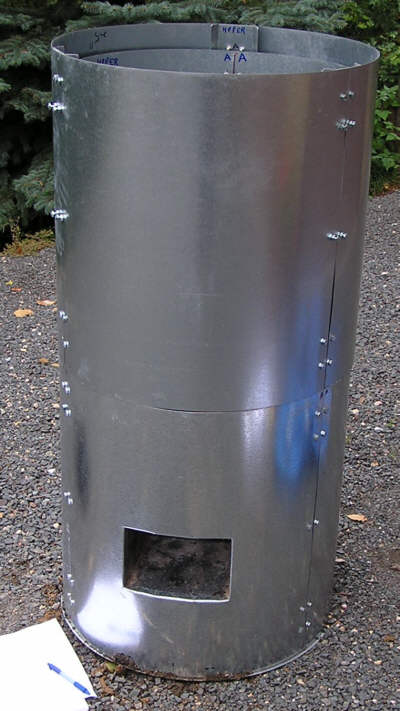
14 - A smaller version of the institutional-sized
Rocket Stove
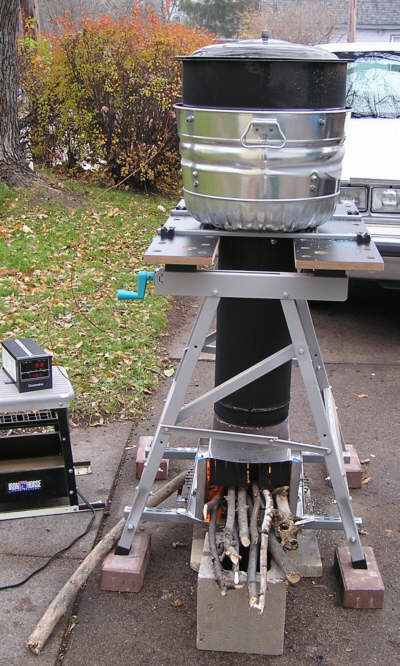
15 - A miniature portable alcohol "Backpacker" stove
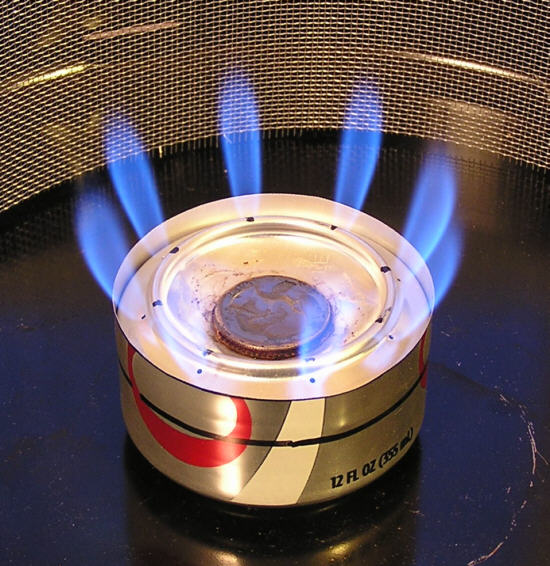
16 - Emergency stove from a pop or food can (2008)

17 - The personal-sized "castle" stove re-visited
(2008)
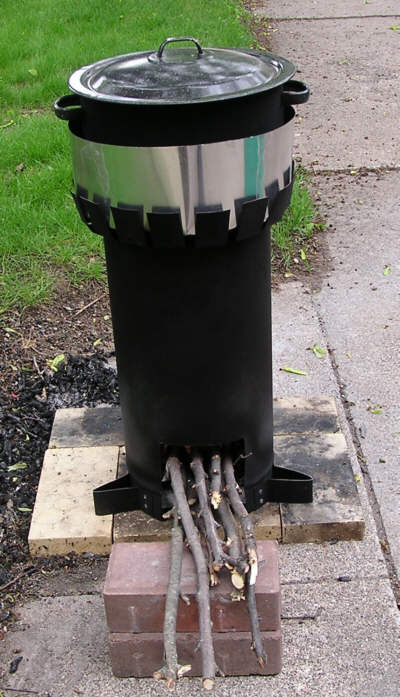
18 - Another rocket stove with a smaller chimney
(2010)
NOTICE - Information on this site is accurate to the best of my knowledge. All content on this site is the property of the author.
Copyright © 2014 AD0CK
Last modified:
12/11/15
To report broken links or web site problems contact:
Webmaster
Thank you for visiting my AD0CK QSL.net page. I hope that you will find the information useful.